You open a page for a bedside lamp and, a few minutes later, you are comparing trays, throws, and vases. That kind of browsing can be enjoyable, but it rarely clarifies what the room needs. A useful home edit begins with a specific gap, not a long wishlist.
Name The Problem First
Try describing the need in one sentence: the entryway has nowhere to hold keys, or the reading corner needs a focused light source. Then note the constraints that matter, such as available width, outlet location, or whether the item must be easy to move. Clear limits make comparisons more useful and help you skip attractive options that do not fit.
Compare Details That Matter
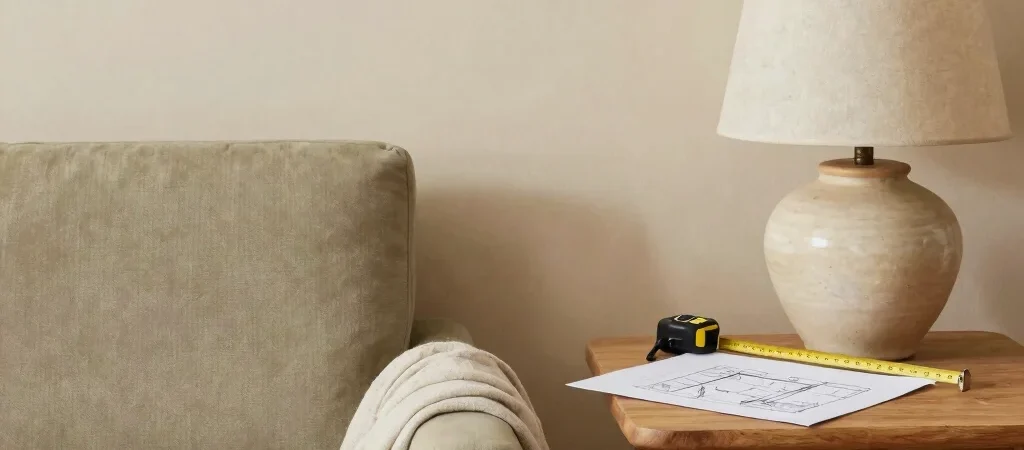
For furniture and decor, dimensions often matter more than a styled room photograph; mark the footprint with paper or painter’s tape before committing to a size. For textiles, check fiber content, care instructions, and the actual dimensions, since names like throw or bath mat do not tell you how an item will fit. Compare these details in the same way across options.
Make Room For A Pause
If an item is not needed today, save the details and revisit them after checking your measurements or looking at the room in daylight. A pause can reveal that what seemed missing was already covered by something you own. When a recommendation does make the shortlist, weigh its practical features and trade-offs rather than treating popularity as a reason by itself.
The aim is not a perfectly finished room; it is a home where useful objects have a reason to be there. Some links in our editorial recommendations may earn Exquisite Everyday a commission, and we aim to make product details and considerations clear so you can decide at your own pace.